
The Night I Got Stabbed and Didn't Know It
May 27, 2026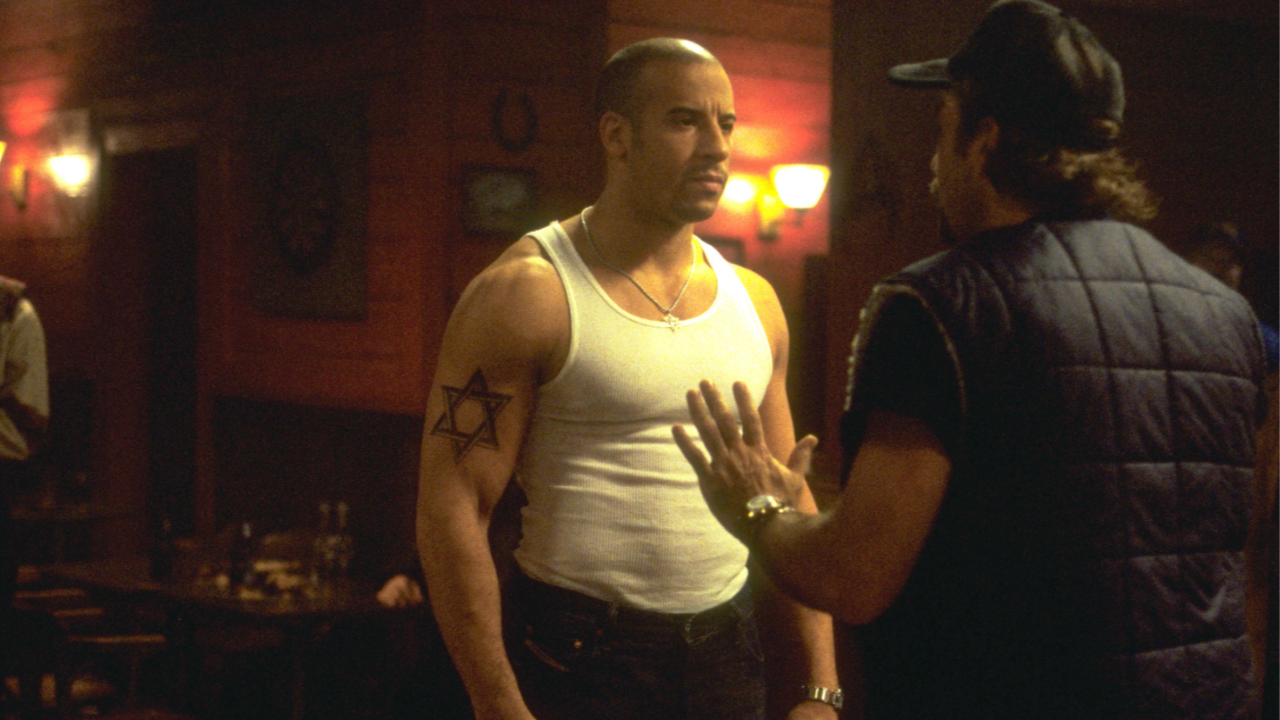
“Five hundred fights, that’s the number I figured when I was a kid. Five hundred street fights and you could consider yourself a legitimate tough guy.”
—Taylor Reese, Knockaround Guys (2001)
This quote resonates with me because it captures the flawed mentality that often drives self-defense training—a focus on arbitrary milestones or imagined battles that make us feel tough but do little to prepare us for the real threats we face. My experiences taught me that self-defense isn’t about how many fights you’ve won, but about surviving, protecting those you love, and ensuring no one else must endure the kind of fear I have felt. This book will guide you through the Timeline of Self-Defense, sharing the hard lessons I and others learned so you don’t have to repeat them.
Sitting on a small, stiff bed in the women’s shelter, my legs ached from the frantic run to the payphone earlier that evening. The dull throb seemed to pulse with every rapid beat of my heart, reminding me of the fear and helplessness that had chased me through the dark, wooded paths back at the campsite. I was only seven years old, but in the flickering fluorescent light of the shelter, my thoughts felt ancient, heavy with worry.
Earlier that day, the camping trip had started like any other. There was the usual excitement—the promise of marshmallows over a fire, the adventure of sleeping under the stars—all things a child looks forward to. But there was also the familiar, gnawing fear that lurked in my stomach, the fear that came from knowing my mom’s boyfriend had packed more bottles of alcohol than camping essentials.
As night fell and the campfire crackled, the alcohol fueled his temper, transforming the peaceful outing into a nightmare. The shouting began first, echoing off the trees, followed by the sound of scuffles—sounds that were becoming all too familiar. My mom’s voice, pleading and fragile, broke through the night air, followed by harsh, stinging slaps. It was the same horrifying routine, but something inside me snapped that night.
He had threatened me and my sister before, his venomous words warning me of what would happen if I ever tried to intervene. But seeing my mom in pain this time was the final straw, and it washed away the paralysis that fear had always brought. I ran. The cold night air burned in my lungs as I sprinted through the woods, driven by a mix of adrenaline and desperation, until I reached the payphone by the ranger’s station.
Dialing 911, I clung to the phone, my small fingers wrapped tightly around the cold metal, as if holding on to it could somehow bring help faster. The operator’s voice was calm, a stark contrast to the chaos of my own pulse pounding in my ears. They asked question after question—details about where we were, what he looked like, what was happening. Each question seemed pointless, a delay in the help that my mom so urgently needed. I couldn’t understand why they weren’t moving faster, not realizing that help was already on the way, and that keeping me on the line was keeping me safe.
When the police finally arrived, they brought with them a flurry of lights and action, cutting through the dark like beacons of hope. We were whisked away to “safety,” away from the trees that had witnessed so much fear, to the stark, unfamiliar room of the shelter.
Now, as I sat there on that bed, my sister quietly sniffling beside me, I battled with feelings of being too small, too weak to have stopped all the bad things that had happened to my mom. She was trying to find safety, just like me and my sister, but it seemed so elusive, so fraught with false starts and dangerous people. What did it even feel like to be safe? Could I ever feel that sense of security, of not having to look over my shoulder or listen intently for the sound of a raised voice?
In the shelter’s dim light, surrounded by others who had no doubt run from their own nightmares, I felt a flicker of something new. It wasn’t quite safety—not yet—but it was the start of hope. Maybe here, in this place with its locked doors and watchful eyes, I could finally find out what it felt like to sleep without fear. Maybe here, I could start to discover what it meant to feel safe.
So, when I got older, I went to find safety, and the only options back then was what I now call macho training BS—hey, I’m not knocking it, this is where I started too. I watched the Power Rangers in my pajamas, saw the heroes beat up bullies and predators like those in my life, and thought, “I need to do that! I need to get into martial arts. That will solve all my problems, and no one will ever mess with me again.” Sadly, what was available was great at building confidence, albeit mostly false confidence. Programs at that time focused on solving problems that didn’t exist and would not have helped me avoid that shelter (except maybe I would have been able to run faster). Still, I had to start somewhere. The bravado-filled promises of protection and strength appealed to my young, impressionable mind, desperate for a shield against the chaos of my childhood. Books, seminars, and gurus peddled a brand of toughness that seemed the antithesis of vulnerability. They spoke of fighting skills as the answer, teaching how to strike rather than heal.
Traditional martial-arts training ended up failing me miserably—twice—in violent situations, both in the ring and on the street. The first time was during a proto-MMA event, back when safety protocols were more of an afterthought. Let’s just say it wasn’t the well-oiled machine you see in today’s competitions. Weight classes? Those were taken on faith. Drug testing? Nonexistent. And the mats? Just thrown on the ground with no cage to keep fighters from being slammed onto the hard floor.
In my final match of the night—back then, it was round-robin style, so multiple fights in a single evening—I was slammed headfirst onto the concrete. The impact was brutal. I ended up in the hospital with a head injury so severe that it required speech therapy, gait training, and six weeks of cortisone injections just to feel normal again. What made it worse was that I had put my trust in a self-defense coach who claimed to be a “chi healer.” His advice? Walk it off. This coach with no medical background was giving advice as if he were entitled to make the final call on my health, and sadly, I believed him.
Not only is the training itself often not provided properly, the harsh truth is that most martial-arts training is ineffective when it comes to criminal violence. This wake-up call came when an angry young man tried to get into a bar one Wednesday night. This event shattered my view of martial-arts training so profoundly that I gave up training altogether for a very long time.
The Purple Onion was one hell of a club. It had a reputation for being a tough spot, with loud, aggressive music and cheap drinks. I got the job there at nineteen because the guy I replaced had been stabbed six times and was done with bouncing. What really stood out about the Onion was the diverse crowd that came there—everyone loves a cheap drink. You had to be alert because chaos could erupt at any time.
Sadly, I had forgotten this lesson. For force professionals (someone who uses violence as part of their job), 90 percent of your job is dull, and the other 10 percent is some of the craziest stuff you will ever experience. During the dull 90 percent, people find ways to kill time. Mine (to the surprise of no one who has met me) was chatting up the serving staff. I like to think I excelled at this.
Wednesdays were always slow, so I was spending my downtime chatting with a waitress at the front door when a man came up and asked to get in. I barely paid attention to him as he rudely interrupted our conversation. I just looked over my shoulder and asked for his ID, holding my hand out. He had no ID, so I gave him the classic line, “No ID, no entry.” He started trying to persuade me, so I gave him a bit more attention. I repeated, with more emphasis, “No ID, no entry.” You’d be surprised how well a stern voice usually works. But this guy didn’t get the memo on how cool and tough I was, so I stonewalled him and returned to my conversation. The guy was half my size and didn’t seem like a threat, at least not the type I was used to.
Suddenly, I felt something around my throat, and my head snapped to the right, then to the right again. My brain started to catch up, and I remember thinking, “Am I getting punched?”
The third snap of my head confirmed that this guy was hitting me. It was surreal because, at that time in my life, martial-arts training was my entire identity. When I was finally ready to respond, the craziest thing happened—my response wasn’t anything I’d trained to do. All my years of training and experience went out the window, and I just grabbed him and shoved him out the door. While he flew like a shotput into the door of a truck, I was reduced to a basic push-up response… Zordon (the Power Rangers’ mentor and guide, for the less nerdy among you) would be very disappointed.
He ended up grabbing my left ear and a handful of my shirt as I lifted and slammed him into the ground. My shirt (and almost my ear along with it) was ripped clean off as he hit the ground. When my backup arrived, he decided to take off, and I headed back into the bar to get a new shirt and then over to the hospital.
A trip to the hospital and a review of the security camera video revealed a much different scenario, one far more deadly than you expect from your standard bar fight. The admissions nurse asked, “Randy, why are you walking like a gangster?” I noticed a tear in my pants, thought nothing of it. The doctor examined a wound on my leg and asked, very sarcastically, what kind of nails did this guy have?
Notice the serious gap in my memory.
After I got patched up, I went back to the club and reviewed the security cameras. What I remembered and what happened were two very different scenarios. After I pushed him into the truck, he reached into his pocket and pulled out a knife. That looping haymaker I stopped… yeah, that was a stab at my neck. Those little, short strikes were attempted stabs into my body. Just before I threw him at the wall, he stabbed my leg. He was going for the weapon I didn’t see. Luckily, when my backup arrived, he decided it wasn’t worth continuing.
That major life event I mentioned was the birth of my daughter, which fundamentally changed my perspective on self-defense. Holding my daughter for the first time, I realized that safety wasn’t just about protecting myself, just like when I was on that bed in the shelter. It was about ensuring the safety of the vulnerable, like my daughter, who are disproportionately affected by violence. This marked the beginning of a journey to rethink my approach to self-defense, moving beyond simply tweaking techniques for people like me to creating a more inclusive and effective model.
This awakening led me to develop the “Before, During, After” model, what I call the Timeline of Self-Defense. This model emphasizes preparation, action, and recovery, and goes beyond survival, aiming to create a safer environment where violence is less likely to occur.
No matter where you are on your personal timeline—whether you’re that kid on the shelter bed seeking something better, whether you’re deep in physical training, just beginning to grasp the importance of proactive skills, or your journey is entirely different—this book is here to guide you. You’ll gain the knowledge you need to stay safe without succumbing to the doom-and-gloom mindset that many in the industry preach.
Don’t learn from me because I made no mistakes; learn from me because I made them all, so you don’t have to!
Ready to stop guessing and start knowing?
What you just read is one small piece of a system that has been tested in 14 countries, 80+ cities, and more real-world situations than most people will ever encounter. The Timeline of Self-Defense gives you the complete Before, During, and After framework — so you can protect yourself and the people you love without fear, false confidence, or wasted training.
[Get the book here → (CLICK RIGHT HERE)
Don't learn from me because I made no mistakes. Learn from me because I made them all — so you don't have to.
Stay connected with news and updates!
Join our mailing list to receive the latest news and updates from our team.
Don't worry, your information will not be shared.
We hate SPAM. We will never sell your information, for any reason.
