
The Grey Man Trap: Blending In Is Making You a Target
Oct 02, 2026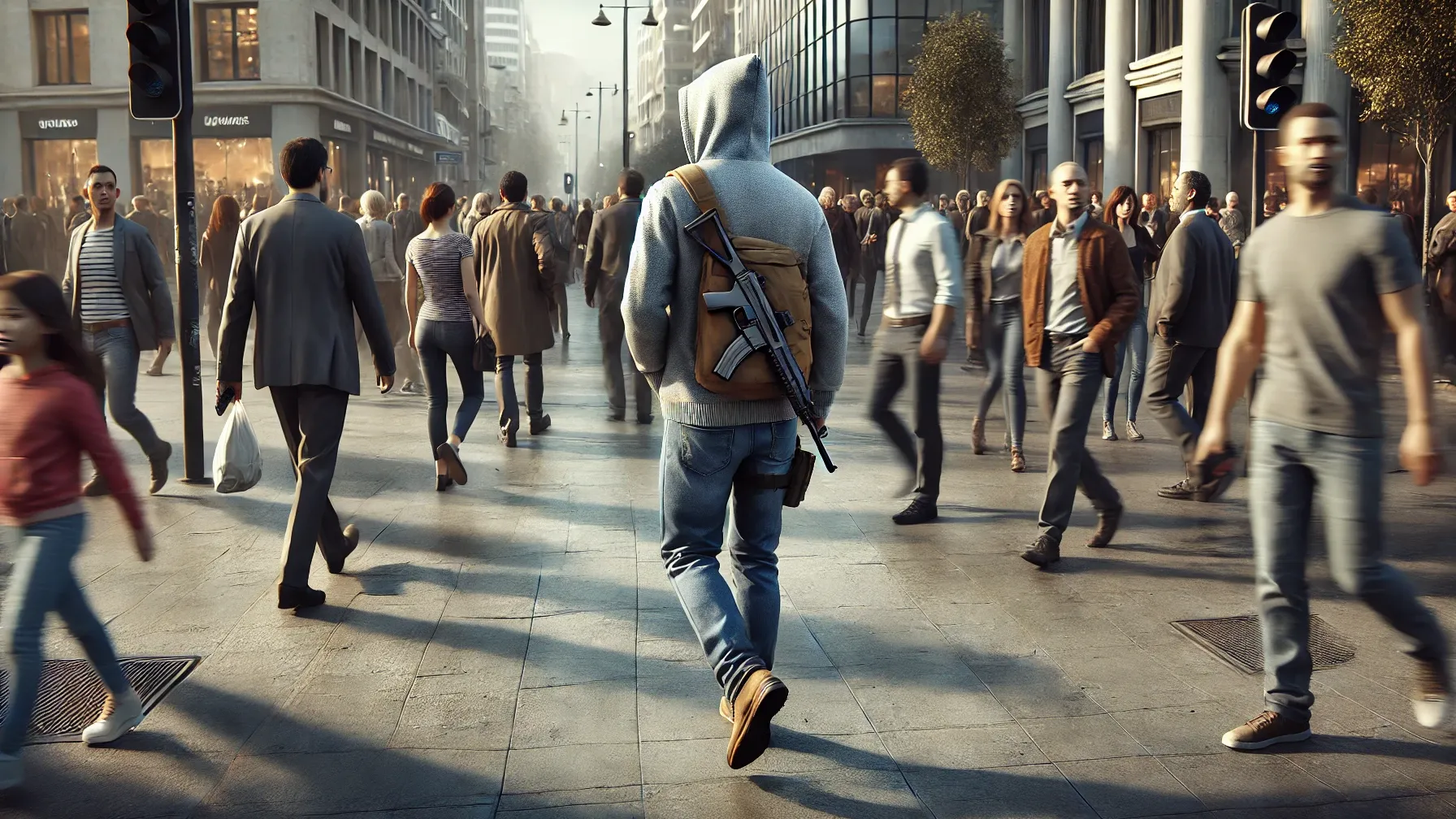
You know the Grey Man idea. Don't be memorable. Don't stand out. Move through an environment without registering on anyone's radar. It's a solid concept. The problem isn't the idea itself, it's how almost everyone applies it, and once you see why the application goes wrong, what actually works becomes obvious.
The Uniform Problem
Here's what happens. Someone learns about the Grey Man and immediately goes shopping. Muted colors, plain clothes, nothing with logos. Then they show up somewhere full of other people who've done the exact same research, and everyone looks identical. Khaki pants, grey t-shirt, running shoes, plain cap. They think they've disappeared. To anyone who actually recognizes that look for what it is, they're wearing a neon sign.
That's confirmation bias doing its thing. They changed their appearance, they feel different, so they assume they're being perceived differently. But all they actually did was trade one recognizable category for another. They went from "regular person" to "person who read a book about not standing out." That's not invisible. That's just a different kind of visible.
Find the Person Who Actually Blends In
Picture a crowded space, a mall, an airport, a busy street. Somewhere in there are two kinds of people: someone who's genuinely blending in, and someone who's trying to. They are not the same thing, and once you know what to look for, the difference is obvious.
The person who's genuinely blending in isn't doing anything. That's the whole trick. They're just there. Their energy matches the room. Their attention is proportional to what's actually happening around them. Their body language isn't performing anything for anyone. They belong, and it reads that way without effort.
The person who's trying is working at it, and the work shows. Their awareness is a notch too active, scanning slightly more than the baseline calls for. There's a deliberateness to how they carry themselves. They've thought about how they look, and thinking about how you look is itself a visible thing. It changes your posture, your pacing, your eye movement, in ways other people pick up on even if they couldn't name what they're noticing.
Two Different Audiences, Two Different Reads
Here's the part most Grey Man advice completely skips. Blending in for a predator and blending in for law enforcement are not the same problem, and gearing up for one can actively work against you with the other.
A predator is looking for vulnerability. They want someone distracted, isolated, uncertain, an easy calculation. Being calm, aware, and genuinely connected to your environment makes you a hard pass, regardless of what you're wearing. You don't need a tactical wardrobe for that. You need to not read as a target, and that's a behavioral thing, not a shopping list.
Law enforcement reads the room differently. They're looking for behavior that's inconsistent with the environment, and full Grey Man gear can actually flag faster in certain contexts because it signals intentional concealment rather than natural fit. If your actual goal is to be unremarkable to everyone, cosmetics work against you. Matching the room is the answer, not dressing for invisibility.
What You're Actually Building
None of this is about a wardrobe or a look. It's the ability to walk into any environment, read what belonging actually looks like in that specific space, and match it. A coffee shop and a construction site and a hospital waiting room all have different versions of "normal," and genuine blending means reading that normal correctly, not applying the same muted-colors formula everywhere you go.
Next time you're somewhere with a real crowd, take thirty seconds and pick out someone whose awareness level seems to match the room exactly. Not checked out, not overly alert. Just right. Watch what that actually looks like. It's almost always less effortful than what people think camouflage requires, not more.
Behavioral Camouflage, Not Cosmetic
The takeaway is simple, even if it cuts against a lot of what gets sold as tactical advice. The best camouflage is behavioral, not cosmetic. When you're calibrated to the baseline of wherever you are, when your energy and your attention actually fit the room, you don't register. Not because of what you're wearing. Because of how you're moving through the space.
That's a skill you build by paying attention, not a purchase you make once and forget about. And it travels with you into every environment, which a khaki-and-grey uniform never will.
Want the worksheets, the full breakdown, and every drill that goes deeper than what's covered here?
Sign up for the full Timeline Expansion Program.
Randy
Stay connected with news and updates!
Join our mailing list to receive the latest news and updates from our team.
Don't worry, your information will not be shared.
We hate SPAM. We will never sell your information, for any reason.
