
Deeper Down the Timeline of Self-Defense
You Shouldn’t Use a Strategy Until You Know What Kind of Violence You’re Dealing With.
Martial artists are trained to act decisively. We value commitment, pressure, and follow-through. In training, hesitation is punished and clarity is rewarded.
In real-world encounters, that same decisiveness can...
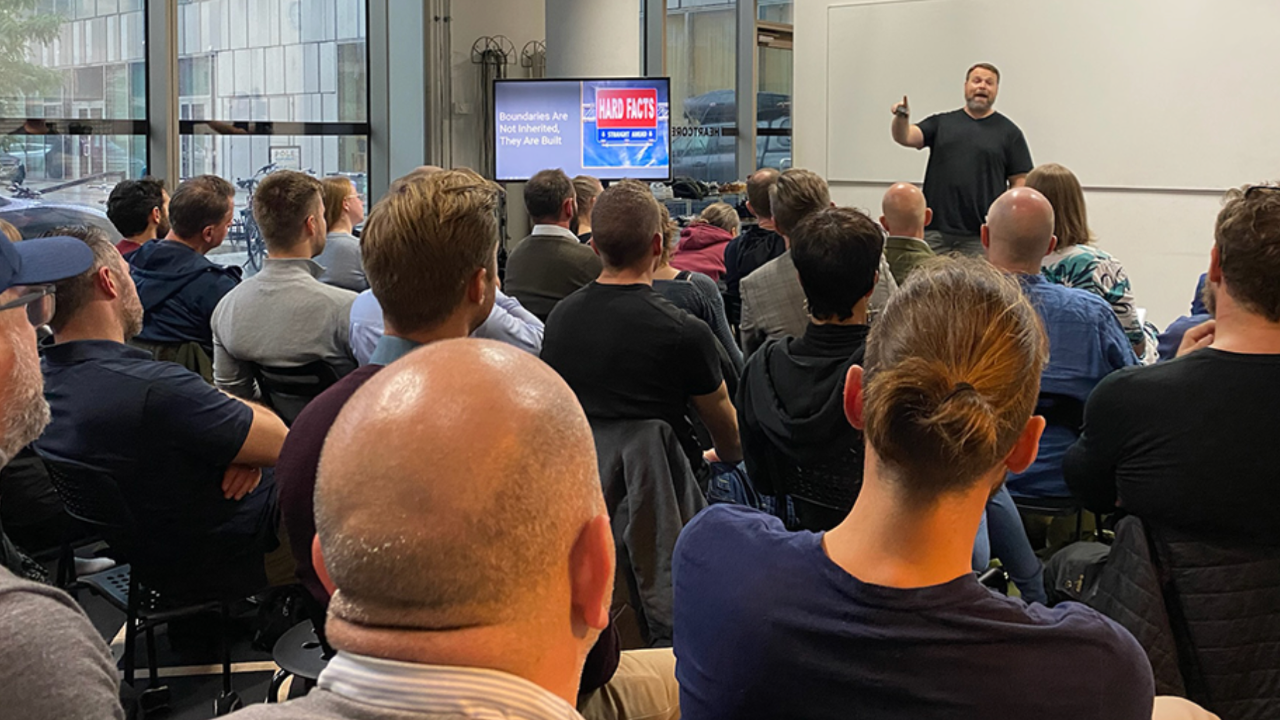
Walk into almost any martial arts school and the structure is familiar.
Warm up.
Technique of the day.
Drill it.
Maybe pressure test it.
The assumption is simple and rarely questioned. If you give someone the right technique, they will be safer.
The problem is that most violence does not start where...
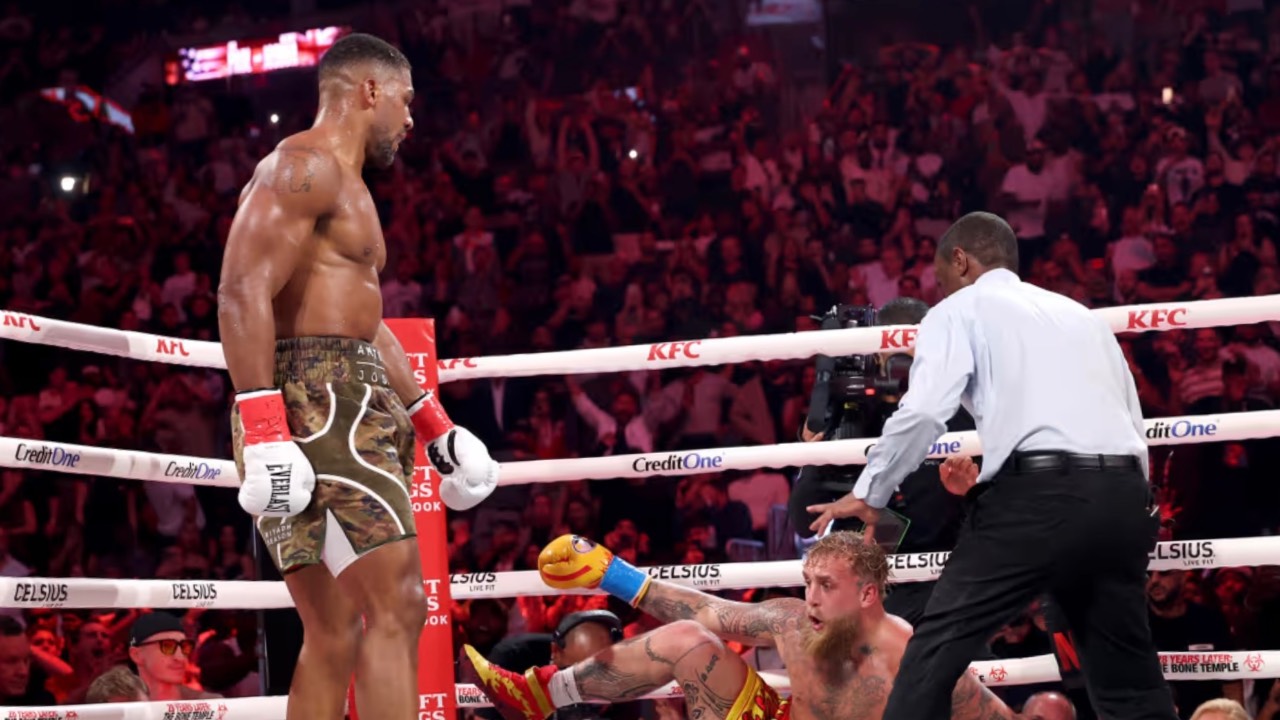
Jake Paul Hit Reality Friction
When Jake Paul lost, the internet did what it always does. Hot takes. Boxing breakdowns. Victory laps. Excuses.
Most of that noise misses the lesson that actually matters.
Jake Paul did not just lose a fight. He hit reality friction. And reality friction is the sam...

If you are planning a conference, retreat, corporate summit, or community safety event, you already know the pressure that comes with finding the right speaker. You want someone who can energize a room, deliver real value, hold attention, and leave people talking long after the event wraps up. You a...

I was setting up for an early afternoon session of my Speak Up Self Defence: Safety for Indigenous Communities of Canada program when the room went quiet. A man about my age got a phone call, paused for a moment, and said softly, “They found Samuel.” That sentence changed everything.
The man was ...

Hey everyone, Randy King here. Today, we’re talking about manipulation—the subtle and not-so-subtle ways people steer you into situations where they benefit and you lose. These tactics don’t always come with raised voices or balled fists. In fact, some of the most dangerous manipulation happens with...
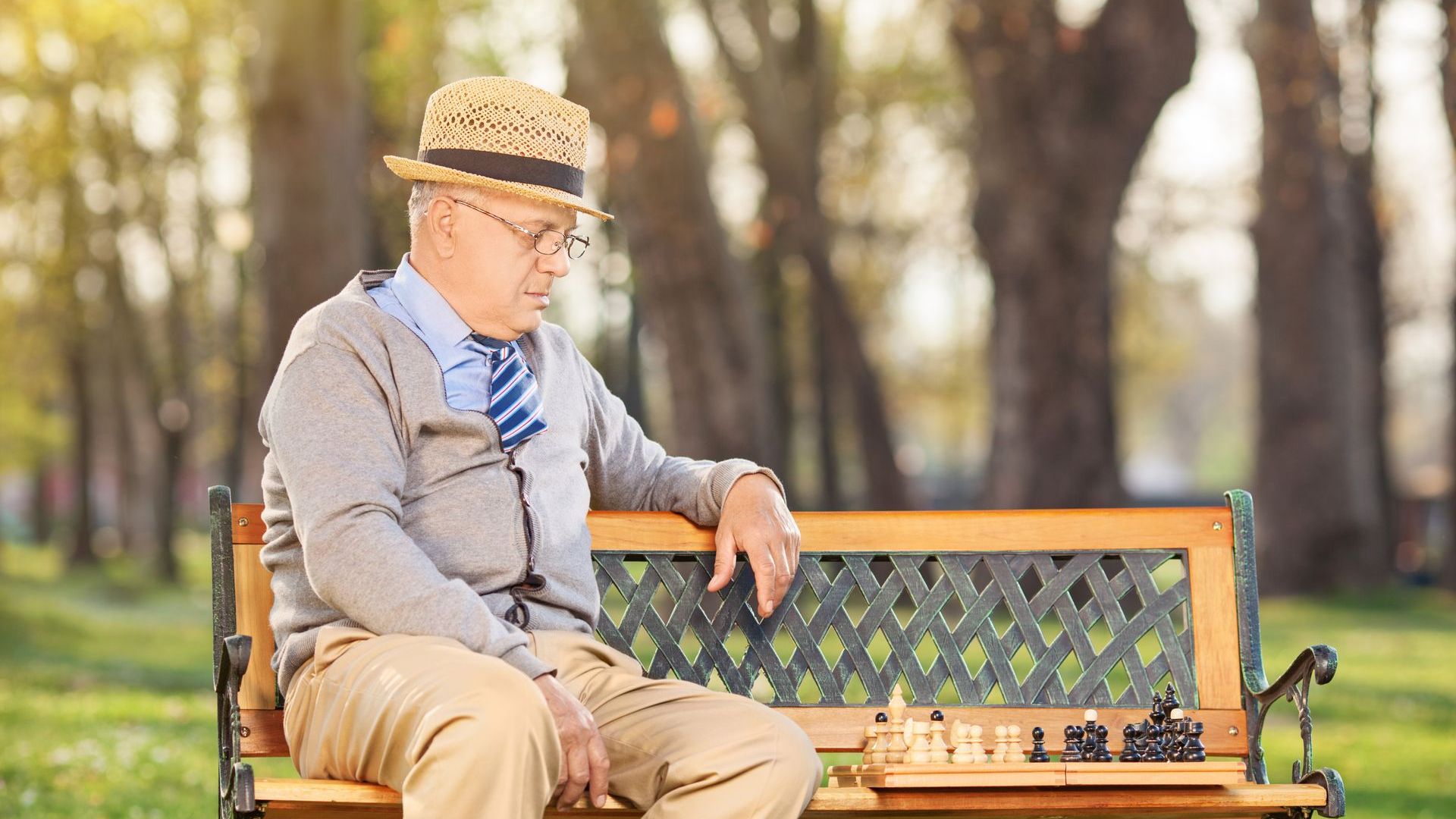
Community is a forgotten part of our self-protection strategy. If you've been following our work at 80:20, you know we look at the whole picture of self-defense—not just the physical part. One of our most important proactive training concepts is threat assessment. This includes situational awareness...

If you want to understand self-defense, you have to understand the people you're defending against. Predators don’t attack at random. They watch. They test. They select. And they do it with terrifying precision.
In Before, During, After: The Timeline of Self-Defense, we break this down in depth: ho...
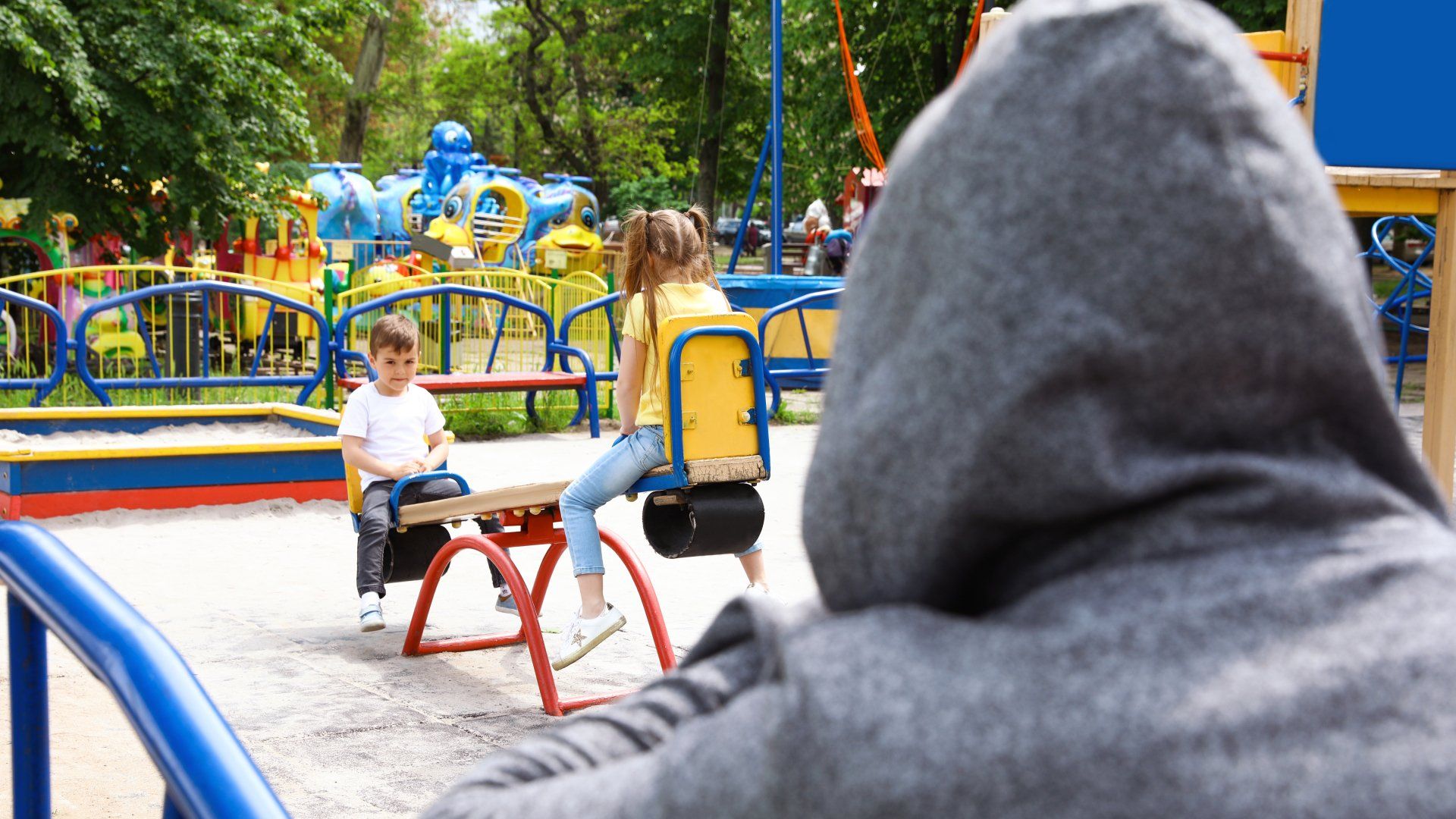
Victims of crime often feel helpless and alone. They may search for any possible way to protect themselves in the future. Some may even turn to martial arts thinking it will give them an edge if they are ever attacked again. Unfortunately, evidence does not support this idea.
There have been multip...
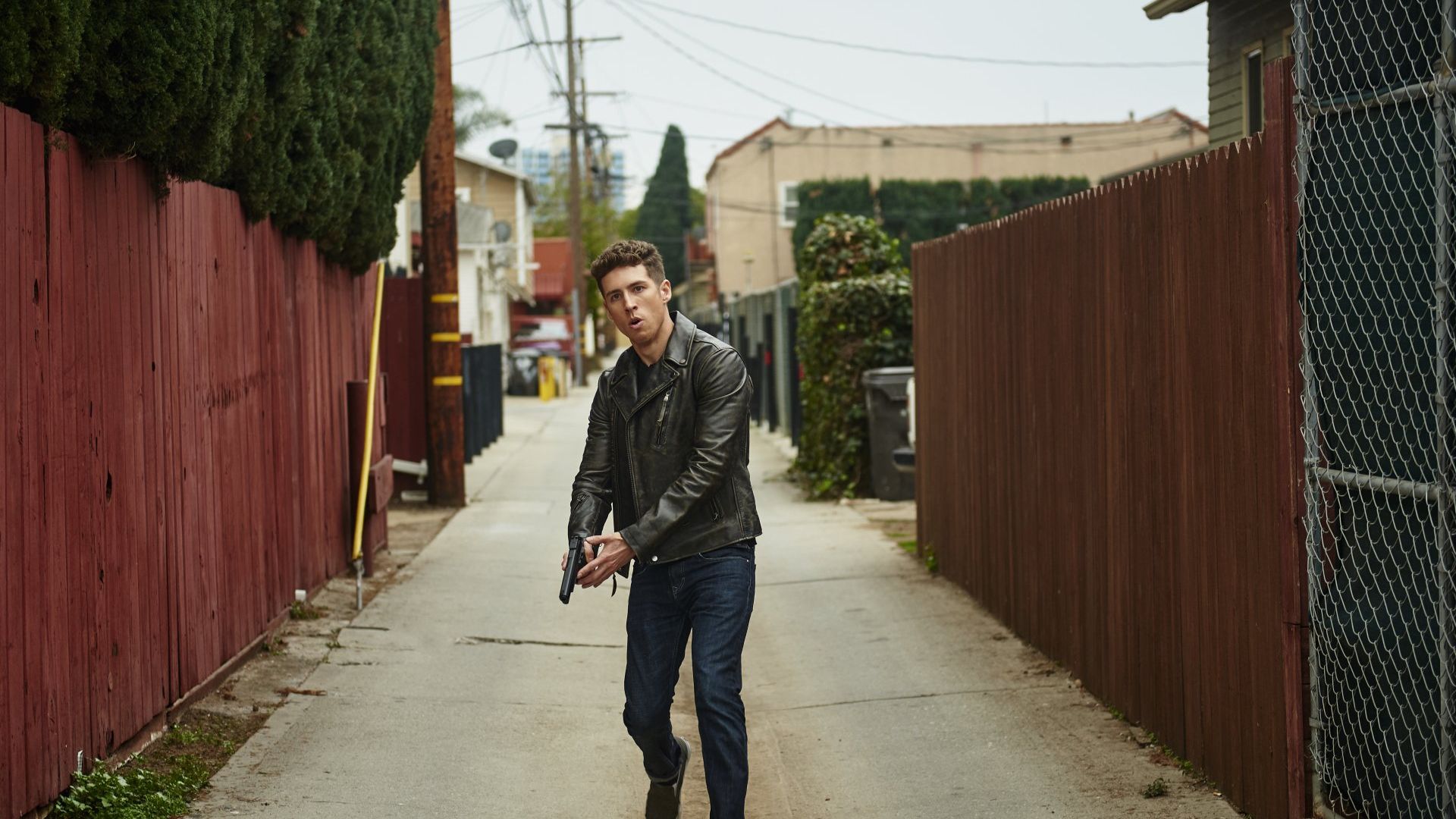
Hey folks, Randy King here. Let's dive into a crucial aspect of self-defense that's often overlooked: reading body language. Understanding non-verbal cues is a game-changer, allowing you to anticipate and navigate potential threats before they escalate. This concept aligns with the principles outlin...

Self-defense isn’t just about reacting when danger explodes in front of you. It’s about understanding the entire arc of a conflict—from the subtle cues before anything kicks off, to the critical decisions during, and the often-overlooked aftermath. Every stage shapes the outcome. And unless you unde...

In self-defense and conflict management, physical techniques often get all the attention—but the ability to de-escalate a tense situation before it turns physical? That’s the real magic. And the foundation of that magic is emotional regulation.
Emotional regulation is your ability to keep your cool...
